Written by Nayzaw Tun | April 3, 2025
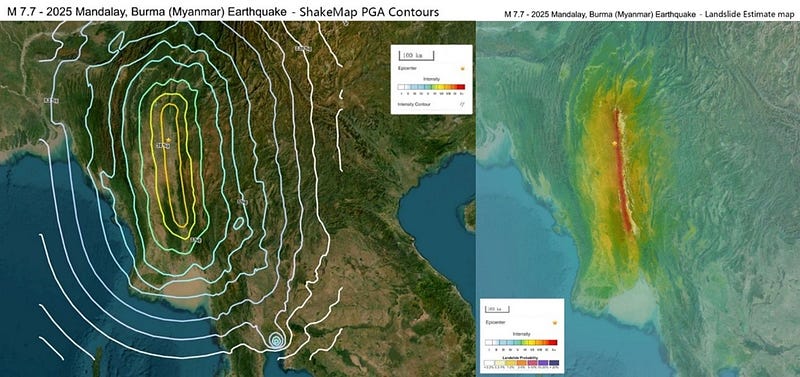
As of early April 2025, Myanmar stands at a critical juncture, grappling with an unprecedented natural disaster that could be dubbed the “Sagaing Earthquake.” This catastrophic event has struck the heart of the nation, leaving devastation in its wake. Official reports from Naypyidaw, dated March 29, 2025, initially claimed 144 deaths and 723 injuries. However, estimates from Reuters and the USGS Earthquake Hazards Program paint a far grimmer picture, suggesting a death toll ranging from 10,000 to 100,000, with economic losses potentially reaching up to 70% of Myanmar’s GDP. This disaster follows a relentless series of crises — COVID-19, floods, cyclones, wildfires, and an ongoing civil war — further crippling the country’s infrastructure, communication systems, and power grids. Highways have fractured, bridges have collapsed, and supply chains have ground to a halt. Yet, amidst this chaos, I believe this crisis could serve as a rare opportunity to forge a path toward peace and reconstruction for Myanmar’s future.
Myanmar’s Historical Context of Crises
Myanmar is no stranger to calamity. The 2008 Cyclone Nargis claimed over 138,000 lives and devastated the economy and social fabric. The 2015 floods submerged vast swathes of the country, while Cyclone Mocha ravaged Rakhine State in May 2023. In September 2024, Typhoon Yagi killed over 400 people and displaced more than 140,000. These disasters have consistently battered Myanmar’s economy, with the World Bank projecting a meager 1% growth rate before 2025 — a figure contested by Senior General Min Aung Hlaing, who claimed 3% growth was achievable. The Sagaing Earthquake has now rendered such projections obsolete, plunging the nation into deeper economic despair.

Compounding these natural disasters is the political turmoil unleashed by the 2021 military coup. The ensuing civil war between the military junta (SAC), the National Unity Government (NUG), and various Ethnic Revolutionary Organizations (EROs) has displaced millions and exacerbated humanitarian crises. Yet, the recent earthquake has unexpectedly opened a window of opportunity to halt this cycle of conflict and suffering.
An Astonishing Ceasefire Breakthrough
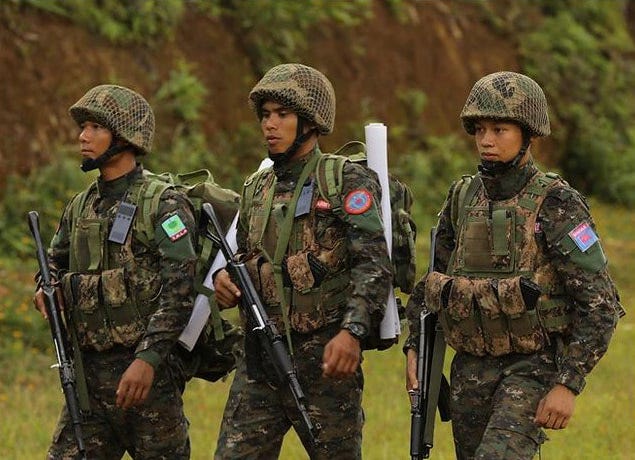
In the days following the earthquake, an extraordinary development unfolded. On March 30, the NUG declared a unilateral two-week ceasefire. On April 1, the Northern Alliance — comprising the Arakan Army (AA), Ta’ang National Liberation Army (TNLA), and Myanmar National Democratic Alliance Army (MNDAA) — pledged a month-long truce throughout April. Initially resistant, the military junta announced on April 2 a ceasefire from April 2 to 22, followed by the Kachin Independence Organization/Army (KIO/KIA) aligning with the same timeframe. These unilateral ceasefires, likely spurred by international pressure, regional concerns, and the urgent need for humanitarian aid, mark a rare moment of de-escalation. Neighboring countries like Thailand, China, and India, wary of refugee influxes and border instability, may have played a role in pushing for this pause. While these truces are temporary and fragile, they offer a glimmer of hope — a chance to transform a humanitarian pause into a lasting peace.
Seizing the Opportunity: Key Steps Forward
Myanmar’s future hinges on the vision and decisions of its armed factions and leaders at this pivotal moment. To turn this crisis into a catalyst for peace, several critical steps must be taken:
- Bilateral Ceasefire Agreements
The current unilateral truces must evolve into bilateral agreements involving all parties — the SAC, NUG, and EROs. This would be the first step toward building trust, requiring a nationwide commitment without exclusions. International mediation may be necessary to facilitate this transition, given the deep-seated mistrust among groups. - Release of Political Leaders
The release of key figures like Daw Aung San Suu Kyi and U Win Myint is essential. Their involvement could lend legitimacy and credibility to peace talks, enabling pragmatic negotiations. While the junta may resist, international pressure and public demand could force their hand, unlocking a pathway to inclusive dialogue. - International Engagement
The junta’s call for foreign aid post-earthquake has brought neighboring countries and global actors into the fold, with relief efforts already underway. This cooperation should extend beyond humanitarian aid to include diplomatic pressure and mediation for peace. The United Nations, ASEAN, and influential powers like China and India could play pivotal roles in brokering talks and supporting reconstruction. - Pragmatic Negotiations
A realistic roadmap to peace must be crafted, addressing core issues like federalism, power-sharing, and regional autonomy. This process will be time-consuming, but delaying it risks squandering the current momentum. Lessons from other nations, such as Indonesia’s post-tsunami peace in Aceh, could guide Myanmar toward a sustainable resolution.
Hope Amid Crisis: Lessons from History
History shows that crises can birth transformation. After Cyclone Nargis, Myanmar’s civil society blossomed, fostering social cohesion. In Indonesia, the 2004 tsunami paved the way for peace between the government and Aceh rebels, ending decades of conflict. Similarly, the Sagaing Earthquake could serve as a turning point for Myanmar. Drawing from the biblical story of Solomon’s judgment — where true intent was revealed through a test of compassion — this crisis challenges Myanmar’s armed factions to demonstrate their commitment to the people’s welfare over power. It offers a chance for de-escalation and reconciliation, provided leaders rise to the occasion.
Yet, the path is fraught with challenges. Myanmar’s history favors war over peace, with trust deficits, political rivalries, and ethnic tensions posing formidable obstacles. The military’s longstanding animosity with ethnic groups and the NUG’s insistence on democratic restoration complicate negotiations. Overcoming these hurdles demands pragmatism and collective will.
Does Myanmar Have a Future?
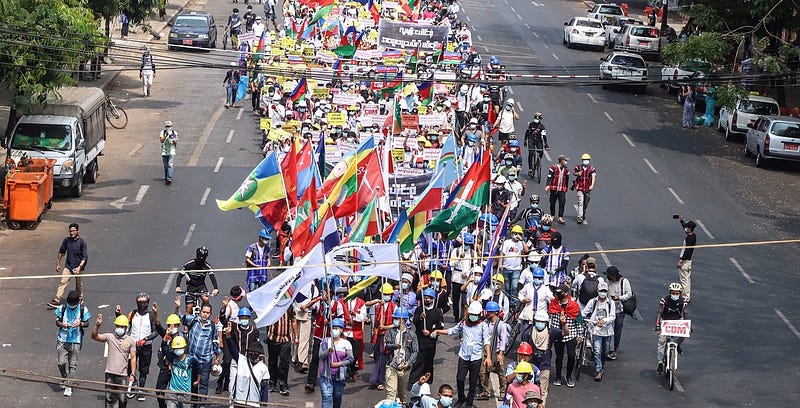
The question “Does this country still have a future?” lingers in many minds. My answer is yes. Humanity’s resilience shines brightest in adversity, and Myanmar’s people have repeatedly proven their endurance and unity. From Nargis to the current crisis, communities have rallied to support one another. But this future cannot be forged through gunfire — it requires dialogue, compromise, and collaboration.
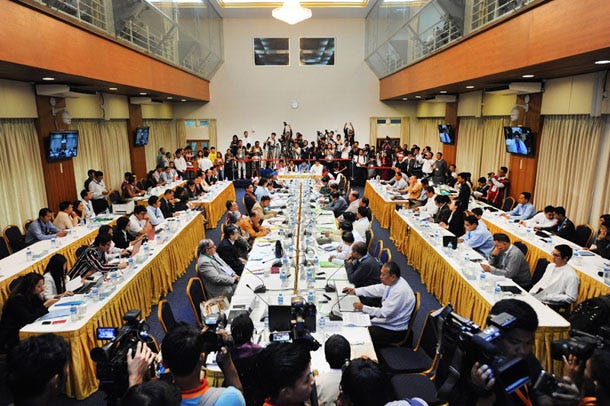
This moment offers a bridge from a humanitarian ceasefire to a general ceasefire. Securing international backing, uniting domestic factions, and drafting a practical peace plan are essential. The process will be arduous, but there is no better time to begin.
Possible Futures for Myanmar
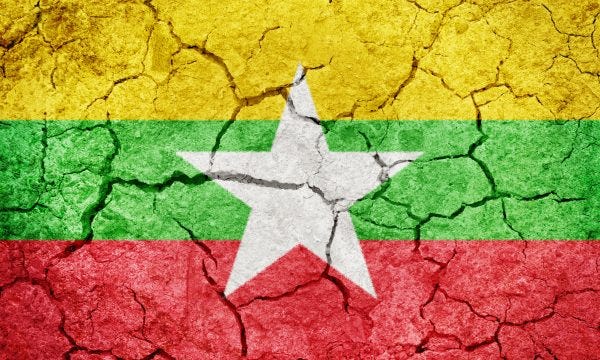
Looking ahead, Myanmar’s trajectory could unfold in several ways:
- A Successful Peace
If armed groups seize this opportunity and secure a bilateral ceasefire, international aid could kickstart reconstruction. The release of political prisoners and negotiations toward a federal system could stabilize the nation, reintegrating Myanmar into the global community and reviving its economy. - Persistent Instability
Should trust-building fail and truces collapse, the civil war could resume, plunging an already weakened nation deeper into chaos. Myanmar risks becoming a “failed state,” with economic collapse and humanitarian crises overwhelming even international aid efforts. - Interim Uncertainty
A middle ground might see temporary ceasefires hold, with peace talks beginning but stalling short of resolution. This would leave Myanmar in limbo — neither fully stable nor wholly collapsed — offering slight relief to its people but no long-term solution.
Turning the Worst into the Best: A Political Transformation
To transform Myanmar’s dire situation into its best possible outcome, lessons from other nations are instructive. Colombia’s peace process with FARC rebels, though imperfect, shows how sustained dialogue and international support can end decades of conflict. South Africa’s transition from apartheid demonstrates the power of reconciliation and inclusive governance. For Myanmar, this means prioritizing dialogue over domination, releasing political prisoners to rebuild trust, and leveraging global pressure to enforce accountability. The junta must recognize that clinging to power amidst ruin benefits no one, while the NUG and EROs must temper maximalist demands with compromise. A federal framework balancing ethnic autonomy with national unity could be the cornerstone of this new Myanmar.
Conclusion
Myanmar stands amid rubble and loss, yet this crisis holds the seeds of renewal. Through the concerted efforts of armed groups, its people, and the international community, hope can become reality. For those who believe in a future, now is the time to speak, negotiate, and build. Myanmar’s destiny lies in our hands. If this opportunity is seized, the nation could turn a new page in its history — one of peace, resilience, and promise.




No comments:
Post a Comment