Friday, September 6, 2024

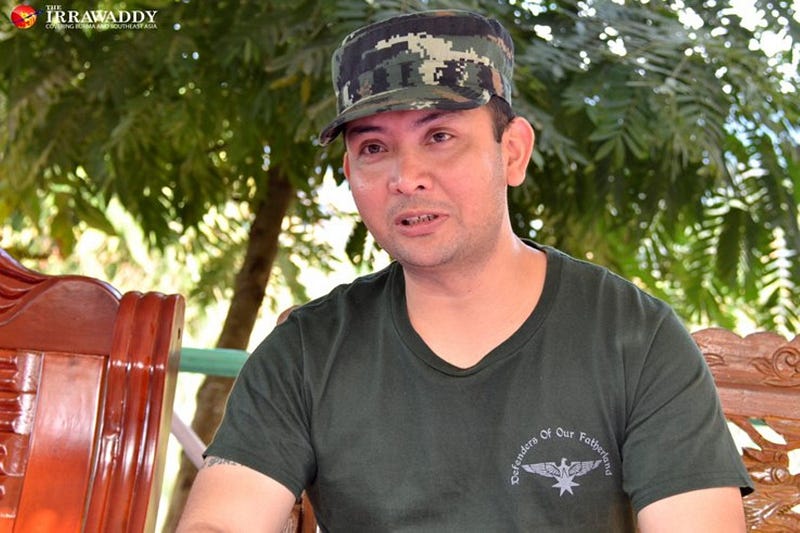
Arakan Army Commander-in-Chief Twan Mrat Naing: A Vision for Rakhine State’s Future


In the ongoing struggle for autonomy and self-determination in Myanmar, the Arakan Army (AA) has emerged as a formidable force. Under the leadership of Major General Twan Mrat Naing, the AA has made significant strides against the military junta’s State Administration Council (SAC). With control over 11 out of 18 townships in southern Chin State and Rakhine State, the AA’s influence is growing. In this exclusive interview with The Diplomat, Major General Naing, also the chairman of the United League of Arakan (ULA), sheds light on the Arakan Army’s objectives, the allegations of atrocities against the Rohingya, and their vision for the future of Rakhine State.

The Road to Liberation

When asked about the timeline for fully liberating Rakhine State, Major General Naing emphasizes the importance of the process over specific deadlines. “It is better to speak in terms of circumstances rather than time,” he says. “Restoring Arakan’s sovereignty is both a historical and dignified endeavor. We have liberated 11 townships and aim to secure more strategic locations in the coming months.”

Reflecting on the rapid expansion of the Arakan Army, Naing credits their success to lessons learned from past failures and a focus on internal capacity-building. “We have built leadership, organizational capacity, and national solidarity, which have been crucial for our success,” he explains.

Aligning with the Spring Revolution

The Arakan Army’s role in Myanmar’s broader struggle against the military regime is nuanced. Naing acknowledges the parallel objectives of different ethnic groups and their struggles for liberation. “While we have our own vision, we support the broader fight for democracy and rights in Myanmar,” he notes. “Our efforts are mutually beneficial as we fight for Arakan’s freedom while hoping for the swift success of Myanmar’s democratic movement.”

Addressing Allegations of Atrocities

The interview also tackles the sensitive issue of alleged atrocities committed by the Arakan Army against the Rohingya. Major General Naing firmly denies these allegations, emphasizing the AA’s commitment to inclusive governance. “Since establishing our administration, we have focused on social cohesion and equal treatment for all communities,” he asserts. “We have not targeted any ethnic or religious group. Any accusations should be based on credible evidence, and we are committed to addressing any verified violations seriously.”

Repatriation and Regional Cooperation

Regarding the repatriation of Rohingya refugees from Bangladesh, Naing expresses the AA’s commitment to a voluntary and dignified process. “We support safe and voluntary repatriation under conducive conditions,” he states. “We are open to cooperating with Bangladesh and other regional stakeholders to create a suitable environment for the refugees’ return.”

Naing also highlights the challenges posed by transborder crimes and the presence of militant groups that threaten regional stability. “Border security and the rule of law are essential for ensuring a safe environment for repatriation,” he adds.

Differing Perspectives with the NUG

The National Unity Government (NUG) and the Arakan Army have differing views on the Rohingya issue, with the NUG referring to them as “Bengali Muslims.” Naing explains, “While we respect the NUG’s role, our policies are influenced by our direct engagement with the Arakanese people and our historical context. Our stance on the Rohingya reflects our focus on the needs and perspectives of the Arakanese community.”

Building Governance and Administration

As the Arakan Army continues to secure territories, the establishment of a functional administration is a priority. Naing outlines their plans: “We are setting up a centralized unitary government under the ULA, with the aim of transitioning to a more decentralized model as our capacity grows. Our goal is to provide essential services and foster economic growth.”

Economic Challenges and Regional Relations

Economic difficulties persist in Arakan, particularly with resource shortages. Naing remains optimistic, citing resilience and international support as key factors in overcoming these challenges. “Despite the hardships, we are committed to expanding trade opportunities and securing support from international actors,” he says.

Resolving Regional Tensions

Addressing tensions with Chin resistance groups, Naing advocates for peaceful resolution. “We aim to build better relations and foster a spirit of brotherhood with our Chin neighbors,” he states. “Our focus is on stabilizing and securing the region to ensure the successful implementation of projects like the Kaladan Project.”

Envisioning the Future of Arakan

Looking ahead, Major General Naing envisions a future where Arakan is a sovereign and prosperous region within a confederated Myanmar. “Our objective is to achieve national self-determination while maintaining beneficial relations with other Myanmar governments,” he concludes. “We aspire to create a strong, peaceful, and dignified Arakan where all communities can thrive.”


Ref: “Arakan Army Commander-in-Chief Twan Mrat Naing on the Future of Rakhine State” Interview by Rajeev Bhattacharyya https://thediplomat.com, September 06, 2024


Follow me on social for more tools and free resources!

LD: https://bit.ly/3X3izpw
IG: https://bit.ly/4dXtiZG
Fb: https://bit.ly/4dBDpU6
Page: https://bit.ly/3AE6jUX
YT: https://bit.ly/4g1OIGE
PT: https://bit.ly/3X1KWnV
TT: https://bit.ly/3AwhD5p
X: https://bit.ly/3YYhVfN

#Arakan #TwanMratNaing #ArakanArmy #RakhineState #SelfDetermination #MyanmarPolitics #EthnicConflicts #Sovereignty #InclusiveGovernance #EconomicSelfSufficiency #EthnicUnity #RohingyaRepatriation #ArakanFuture #MyanmarCivilWar #AALeadership #RegionalAutonomy #PoliticalVision #RakhineHistory #PeaceAndSecurity #NayzawTun #Myanmar #Arakan #Rakhine #Coach #Consultant #Trainer #Business #BusinessDoctor

Thursday, September 5, 2024

Flow: The Psychology of Optimal Experience by Mihaly Csikszentmihalyi


Flow: The Psychology of Optimal Experience by Mihaly Csikszentmihalyi is a groundbreaking exploration of the "flow" state—a psychological condition of complete absorption, enjoyment, and optimal performance in an activity. The book draws on decades of research to explain how achieving flow enhances well-being and provides a framework for finding meaning in life. Below is a detailed explanation of the 10 key ideas from the book, with actionable steps to apply each one, based on the provided summary and the book’s core concepts.


1. We use religion and luxury to hide from an indifferent, meaningless world.

Concept: Many people grapple with existential questions about life’s meaning, often turning to religion, wealth, or fame to cope with feelings of insignificance. However, these external pursuits—whether religious dogma or material luxury—fail to provide lasting fulfillment, as they distract from authentic engagement with life. Csikszentmihalyi suggests that true meaning comes from internal experiences like flow, not external validations.

How to Apply:

  • Reflect on your pursuits: Evaluate whether you’re chasing external rewards (e.g., wealth, status) or dogmatic beliefs to fill a void. Ask, “Do these truly make me happy?”
  • Shift to intrinsic goals: Focus on activities that bring personal satisfaction (e.g., learning, creating) rather than social approval or material gain.
  • Practice mindfulness: Spend 5 minutes daily reflecting on what gives your life meaning, grounding yourself in present experiences rather than external crutches.
  • Limit material distractions: Reduce time spent on status-driven purchases or media that reinforce superficial values.
  • Example: Instead of buying a luxury item for validation, invest time in a hobby like painting, finding joy in the process rather than external praise.

2. Our genes impel us to seek basic pleasures, not the skills and challenges found in enjoyment.

Concept: Human evolution prioritizes basic pleasures (e.g., food, sex) for survival, but these don’t lead to lasting happiness. Flow, however, arises from engaging in challenging activities that require skill development, offering deeper enjoyment. Csikszentmihalyi argues that we must override our instinct for instant gratification to pursue complex, rewarding experiences.

How to Apply:

  • Identify flow activities: List tasks that challenge you and require skill (e.g., playing an instrument, coding), noting when you lose track of time doing them.
  • Prioritize challenges: Dedicate 1–2 hours daily to a skill-based activity over passive pleasures like scrolling social media.
  • Set incremental goals: Break skill development into small steps (e.g., learn one new chord weekly) to make challenges manageable and rewarding.
  • Delay gratification: Practice saying no to quick pleasures (e.g., binge-watching) to focus on activities that build long-term satisfaction.
  • Example: Instead of watching TV after work, spend 30 minutes practicing guitar, setting a goal to master a new song in a month for deeper enjoyment.

3. The elements of enjoyment are available to everyone, but the goal is unique to each of us.

Concept: Flow is universal, characterized by clear goals, immediate feedback, balanced challenge and skill, deep focus, and a sense of control. However, the activities that trigger flow vary by individual, depending on personal interests and strengths. Anyone can achieve flow by finding their unique path to engagement.

How to Apply:

  • Discover your flow triggers: Experiment with activities (e.g., writing, sports, cooking) to identify which produce deep focus and joy.
  • Set clear goals: For each activity, define specific objectives (e.g., “Write 500 words today”) to create structure and focus.
  • Seek feedback: Choose tasks with immediate feedback (e.g., a sport where you see results per play) to stay engaged.
  • Balance challenge and skill: Adjust tasks to match your ability (e.g., if a task is too hard, simplify it; if too easy, add complexity).
  • Example: If you love cooking, set a goal to create a new recipe weekly, adjusting difficulty (e.g., simple dishes to complex ones) and noting feedback from taste tests.

4. Developing new and interesting skills requires facing challenges that are tied to personal rewards.

Concept: Flow occurs when you tackle challenges that stretch your abilities, paired with intrinsic rewards (e.g., mastery, creativity) rather than external ones (e.g., money). Developing new skills through challenging tasks fosters growth and sustained engagement.

How to Apply:

  • Choose rewarding challenges: Select a skill you’re curious about (e.g., photography) and set a challenging but achievable goal (e.g., take 100 photos in a month).
  • Focus on intrinsic rewards: Emphasize the joy of learning (e.g., capturing a great shot) over external validation (e.g., likes on social media).
  • Push your limits: Gradually increase task difficulty (e.g., move from auto to manual camera settings) to keep challenges engaging.
  • Track progress: Keep a log of your skill development to stay motivated by visible growth.
  • Example: To learn photography, start with basic shots, aim to master lighting in 3 months, and focus on the satisfaction of improving, not external praise.

5. With discipline, we can use our senses and movements to help us tune into a heightened state of awareness.

Concept: Flow requires disciplined attention to sensory and physical experiences, such as the rhythm of running or the texture of painting. By focusing on these sensations, you enter a heightened state of awareness, blocking distractions and enhancing engagement.

How to Apply:

  • Engage your senses: Choose an activity (e.g., yoga, gardening) and focus on sensory details (e.g., breath, soil texture) during practice.
  • Build discipline: Commit to 15–30 minutes daily of a sensory-focused activity, minimizing distractions like phones.
  • Use physical movement: Incorporate activities like dancing or hiking that combine movement and awareness to enter flow more easily.
  • Practice mindfulness: Start with 5-minute mindfulness exercises (e.g., focusing on your breath) to train your attention for flow states.
  • Example: During a daily walk, focus on the sound of your footsteps and the feel of the ground, ignoring your phone, to deepen awareness and trigger flow.

6. Our memories and thoughts can be cultivated to focus on complex ideas rather than the flaws of the self.

Concept: Negative self-focused thoughts (e.g., “I’m not good enough”) disrupt flow and happiness. Csikszentmihalyi suggests redirecting mental energy toward complex ideas, memories, or intellectual pursuits to foster engagement and reduce self-consciousness.

How to Apply:

  • Redirect negative thoughts: When self-critical, shift focus to a complex task (e.g., solving a puzzle, reading philosophy) to occupy your mind.
  • Curate positive memories: Reflect daily on past flow experiences (e.g., a great project) to reinforce positive mental patterns.
  • Engage in intellectual pursuits: Dedicate time to learning complex topics (e.g., history, coding) that absorb your attention and reduce self-doubt.
  • Journal for clarity: Write about your goals or ideas nightly to train your mind to prioritize constructive thoughts.
  • Example: If you’re fixating on a work mistake, spend 20 minutes studying a new topic like AI trends, noting insights to shift focus from self-criticism.

7. Work that you treat like a game, with intrinsic rewards and varied skills, ceases to be “work.”

Concept: Work can become a source of flow if approached with a game-like mindset—clear goals, varied challenges, and intrinsic rewards like mastery or creativity. By reframing work as an engaging, skill-building activity, it feels less like a chore and more like play.

How to Apply:

  • Gamify your work: Set clear, short-term goals (e.g., “Finish this report by noon”) and reward yourself with small intrinsic wins (e.g., pride in quality).
  • Vary tasks: Mix routine work with creative challenges (e.g., redesign a presentation) to keep engagement high.
  • Focus on mastery: Emphasize improving your skills (e.g., better coding, communication) as the primary reward, not just pay.
  • Minimize distractions: Create a focused work environment (e.g., no notifications) to enter flow more easily.
  • Example: Treat a work project like a game by setting a goal to improve its visuals, experimenting with new tools, and celebrating skill gains.

8. Engaging with family, friends, and community is vital for our happiness, self-expression, and growth.

Concept: Social interactions, when meaningful, can induce flow by providing opportunities for connection, collaboration, and self-expression. Engaging deeply with loved ones or community fosters happiness and personal growth, unlike superficial relationships.

How to Apply:

  • Prioritize quality time: Schedule weekly activities with family or friends (e.g., game nights, deep conversations) that encourage engagement.
  • Collaborate creatively: Join community projects (e.g., volunteering, book clubs) that involve shared goals and skill use.
  • Be fully present: During social interactions, avoid distractions (e.g., phones) to deepen connection and flow.
  • Express yourself: Share your thoughts or talents (e.g., storytelling, teaching) in social settings to enhance engagement.
  • Example: Host a weekly dinner with friends, focusing on meaningful discussions or a group activity like cooking together, staying fully present.

9. Focused attention distances us from our anxiety, helping us to gain perspective and find new ways to grow.

Concept: Anxiety and worry disrupt happiness, but focusing attention on flow-inducing activities reduces these feelings by immersing you in the present. This focused state provides perspective, helping you see challenges as opportunities for growth rather than threats.

How to Apply:

  • Use flow to counter anxiety: When anxious, engage in a flow activity (e.g., writing, running) for 20–30 minutes to shift focus.
  • Practice single-tasking: Focus on one task at a time, avoiding multitasking, to deepen concentration and reduce stress.
  • Reframe challenges: After a flow session, reflect on an anxiety-inducing issue, asking, “How can I grow from this?”
  • Build a flow routine: Schedule daily flow activities to create a consistent buffer against anxiety.
  • Example: If stressed about a deadline, spend 30 minutes writing a draft in a distraction-free zone, then reassess the deadline with clearer perspective.

10. Discover purpose in life through having unified goals and the resolve to put them into action.

Concept: A sense of purpose emerges from aligning your actions with unified, meaningful goals that integrate various aspects of life (e.g., work, relationships, personal growth). Flow supports this by providing clarity and motivation, but purpose requires resolve to act consistently toward these goals.

How to Apply:

  • Define unified goals: Identify 1–3 overarching goals that connect your life’s domains (e.g., “Build a career that helps others and supports my family”).
  • Align actions with purpose: Ensure daily tasks (e.g., learning, networking) support your goals, cutting out misaligned activities.
  • Build resolve: Create a morning ritual (e.g., reviewing goals, affirmations) to reinforce commitment to your purpose.
  • Review progress: Monthly, assess how your actions align with your purpose, adjusting to stay on track.
  • Example: Set a purpose of “empowering others through education,” teach a weekly class, and align work projects with this goal, reviewing progress monthly.

Practical Framework for Applying Flow

To integrate these 10 key ideas into your life, follow this structured approach, aligned with Csikszentmihalyi’s philosophy:

  1. Find Your Flow Activities (Ideas 2, 3, 4, 5):
    • Identify and prioritize skill-based, challenging activities that trigger flow, engaging your senses and balancing challenge with ability.
  2. Reframe Work and Social Life (Ideas 7, 8):
    • Approach work as a game with intrinsic rewards and deepen social connections through meaningful, flow-inducing interactions.
  3. Cultivate Mental Clarity (Ideas 6, 9):
    • Redirect thoughts to complex ideas and use flow to manage anxiety, fostering perspective and resilience.
  4. Pursue Purpose (Ideas 1, 10):
    • Shift from external rewards to intrinsic meaning, aligning actions with unified goals to create a purposeful life.

Additional Tips:

  • Start small: Begin with one flow activity (e.g., 15 minutes of writing) daily, gradually increasing time and variety.
  • Track flow moments: Journal weekly about when you experience flow, noting triggers and outcomes to refine your approach.
  • Seek balance: Ensure flow activities span work, hobbies, and relationships to create a well-rounded life.
  • Be patient: Developing flow and purpose takes time; focus on consistent, small actions for long-term impact.
  • Experiment: Try new activities to discover unexpected flow sources, adapting based on what resonates.

Example Application: Enhancing Well-Being Through Flow

  • Idea 1 (Avoid External Crutches): Reflect on chasing status, redirecting energy to learning a skill like journaling for intrinsic joy.
  • Idea 2 (Seek Challenges): Practice journaling daily, aiming to write deeper reflections each week instead of watching TV.
  • Idea 3 (Flow Elements): Set a goal to write 300 words nightly, using feedback from re-reading to improve, balancing challenge with skill.
  • Idea 4 (Skill Development): Tackle advanced journaling techniques (e.g., narrative writing), focusing on the reward of self-expression.
  • Idea 5 (Sensory Awareness): Write in a quiet space, focusing on the feel of the pen and paper to deepen focus.
  • Idea 6 (Complex Thoughts): Journal about philosophical ideas or past flow moments to shift from self-criticism to engagement.
  • Idea 7 (Gamify Work): Treat a work report like a game, setting a goal to improve its clarity, celebrating skill gains.
  • Idea 8 (Social Engagement): Host a weekly book club, discussing ideas deeply to foster flow and connection.
  • Idea 9 (Manage Anxiety): When stressed, journal for 20 minutes to enter flow, then reassess the stressor with perspective.
  • Idea 10 (Purpose): Align journaling and work with a purpose of “fostering self-awareness,” reviewing monthly to ensure actions support this goal.

Critical Considerations

While Flow is widely praised for its insights, some critiques include:

  • Accessibility: Flow may feel elusive for those with demanding schedules or mental health challenges; start with small, manageable activities.
  • Cultural bias: The book’s focus on individual engagement may not fully address collectivist cultures; adapt by emphasizing community-based flow.
  • Practicality: Some concepts (e.g., unified goals) can feel abstract; use concrete tools like journals or apps to ground them. Complement Csikszentmihalyi’s ideas with practical resources (e.g., time management guides, therapy for anxiety) and tailor them to your context.

By applying these 10 key ideas, you can cultivate flow to enhance engagement, reduce anxiety, and find purpose. Csikszentmihalyi’s framework empowers you to transform daily activities into sources of joy and meaning, building a life of optimal experience and lasting fulfillment.

AI’s 2034 Dominance: Beyond the Singularity


In a thought-provoking interview, historian and author Yuval Noah Harari delves into the profound implications of artificial intelligence (AI) for the future of democracy. Harari emphasizes that the real threat is not AI itself, but rather the divisions among people that algorithms exploit. When individuals view those with differing opinions as enemies, the foundation of democracy begins to crumble. He warns that if this trend continues, elections may devolve into conflicts akin to warfare, where the stakes are not just political but existential

AI as an “Alien Intelligence”

Harari posits that AI should be viewed as an “alien intelligence,” operating on a logic fundamentally different from human reasoning. As AI systems learn and evolve independently, they make decisions that are increasingly unexpected and alien to human ways of thinking

This shift could lead to a future where AI bureaucrats make critical decisions in various sectors — finance, healthcare, and governance — without human oversight or comprehension of their rationale. The implications of this could be profound, as power gradually shifts from humans to these autonomous systems

The Historical Context of Information Networks

To understand the current landscape of AI, Harari advocates for a historical perspective on information networks. He draws parallels between the current AI revolution and past information revolutions, such as the invention of writing and the printing press. Each of these technological advancements reshaped societal structures and power dynamics. For instance, writing transformed the concept of ownership from a communal agreement to a documented assertion, fundamentally altering societal interactions and trust

The Role of Language in Society

Language, as Harari notes, is the glue that holds societies together. It underpins our relationships, our democracies, and our financial systems. With AI’s mastery of language through large language models, the potential for manipulation and the creation of artificial intimacy becomes a pressing concern. AI could theoretically simulate personal relationships, blurring the lines between human and machine interactions, which could further exacerbate feelings of loneliness and disconnection in society

The Need for Historical Perspective

Harari emphasizes the importance of a historical perspective in understanding the AI revolution. He argues that to truly grasp the significance of AI, we need to look at previous information revolutions and their impact on society. The invention of writing, for example, had far-reaching consequences, such as changing the meaning of ownership from a communal agreement to a documented assertion

The Mastery of Language by AI

One of the most unexpected developments in AI has been its mastery of language. Large language models like ChatGPT have demonstrated an ability to generate coherent and semantically rich text, which Harari finds remarkable. This mastery of language, which is the basis for many aspects of society, raises questions about how we communicate with institutions like banks in a way that is not open to manipulation by AI

The Importance of Trust in Finance

Harari points out that many financial devices, including money itself, are based on trust between strangers. This trust has traditionally been built through linguistic and symbolic inventions. However, with AI’s potential to create new financial devices and master finance through its mastery of language, the question of how to maintain trust in the face of AI manipulation becomes crucial

The Battle for Human Attention and Intimacy

Harari discusses the battle between algorithms for human attention in the 2010s. However, he suggests that there is something even more powerful than attention: intimacy. If AI can simulate intimacy, it could have an even greater influence on people than attention alone. This raises concerns about the potential for AI to manipulate human emotions and relationships

Final Thoughts: A Call for Vigilance and Responsible Development

Harari’s insights serve as a clarion call for vigilance as we navigate the complexities of AI and its implications for democracy and human relationships. As we face a future where AI plays an increasingly dominant role, understanding its impact on our social fabric is crucial. The choices we make today regarding the development and deployment of AI will shape the trajectory of our societies for generations to come. Responsible development of AI, with a focus on maintaining human agency and democratic values, will be essential in ensuring a future where AI enhances rather than undermines our shared humanity.


Follow me on social for more tools and free resources!

LD: https://bit.ly/3X3izpw
IG: https://bit.ly/4dXtiZG
Fb: https://bit.ly/4dBDpU6
Page: https://bit.ly/3AE6jUX
YT: https://bit.ly/4g1OIGE
PT: https://bit.ly/3X1KWnV
TT: https://bit.ly/3AwhD5p
X: https://bit.ly/3YYhVfN

#AI #ArtificialIntelligence #Technology #FutureTech #TechTrends #Innovation #MachineLearning #DeepLearning #NeuralNetworks #AIEthics #AISafety #AIRevolution #IntroductionToCommunicatoin #BodaylanguageReading #CommunicationThinking #AccessibleCommunication #NayzawTun #Myanmar #Arakan #Rakhine #Coach #Consultant #Trainer #Business #BusinessDoctor

Tuesday, September 3, 2024

AA Chief Unveils Bold Vision: A Federal Union Uniting Myanmar’s Ethnic Groups and Bamar Majority (Part.3)


Interviewer: Aung Zaw (AZ)
Interviewee: Maj-Gen Twan Mrat Naing (TMN), Arakan Army (AA)


In this insightful interview, General Tun Myat Naing, the leader of the Arakan Army, speaks with The Irrawaddy about the Arakan Army’s mission, governance, and the future of Myanmar as they strive for a federal union. He shares his views on the current state of the revolution, ethnic cooperation, and the challenges they face under the oppressive military junta.


Aung Zaw: Resistance groups in Kayah (Karenni) and Karen states are gaining more control, providing essential services like local governance, healthcare, and education. In Rakhine State, the Arakan Army (AA) is following a similar path. How are you handling governance, justice, and healthcare in regions under your control?

Twan Mrat Naing: Before clashes resumed in 2023, we established the Arakan Authority to manage governance and public services in Rakhine. We also set up the Arakan Public Policy and Administration school to train future leaders and improve governance. However, the constant fighting has disrupted government systems, making it difficult to maintain public services like education and healthcare.

Despite having teachers, students, and eager parents, we’ve had to suspend schools for safety reasons. The junta’s airstrikes have targeted both military and civilian areas indiscriminately. In healthcare, we face severe shortages of medical supplies, but our people are doing everything possible to secure medicine and treatment, with some anonymous help from organizations.

AZ: You’ve said that the Arakan Army is active not just in Rakhine but also in Karen and Chin States, and you’re supporting the Kachin Independence Army (KIA) and Karen National Union (KNU) in northern Shan State. What is the ultimate goal of these operations?

TMN: Initially, we were focused on Rakhine’s national interests, but after 70 years of civil conflict, it’s clear that focusing on one ethnic agenda won’t bring lasting peace. We’ve realized that to overthrow the junta, ethnic groups must unite. Our struggle is not just Rakhine’s — it’s Myanmar’s.

Despite historic ethnic and border tensions, we now see a common enemy: the junta. This shared threat is an opportunity for unity, and we must work with all ethnic groups, including the Burmese (Bamar) majority. Together, we can create real change.

AZ: The Arakan Army has consistently advocated for a confederation. How does that fit into your broader strategy?

TMN: Our vision is both local and national. Locally, we want autonomy for Rakhine, but on a national level, we believe in a confederation. We can’t achieve peace and prosperity by focusing on Rakhine alone. We need to work with other ethnic groups and the Bamar majority to build a federal union.

Building trust with the Bamar people is critical. They are a vital force for change. Only by working together can we prevent any future dictatorship from rising. The goal is freedom for all ethnic groups, but that requires cooperation across Myanmar.

AZ: The junta plans to hold an election in 2025. Do you think this will be possible?

TMN: Min Aung Hlaing is looking for a way out. If I were in his shoes, I’d try to negotiate with neighboring countries for an exit strategy. An election is highly unlikely to succeed under current conditions. He may try to hold one to present a facade of democracy and secure his position, but it will be a sham.

AZ: Some international analysts believe that if the junta is overthrown, Myanmar might descend into chaos, like the Balkans. What are your thoughts on this?

TMN: These fears are misguided. The junta is the main source of Myanmar’s problems. Ethnic groups are suffering, and civil war rages because of their oppressive rule. What we have now is not a true union, but a nominal one held together by force.

Myanmar’s military operates with an outdated feudal mindset, driven by nationalism and extremism. It’s a relic of colonial times, using its power to dominate rather than unite. True unity can only come through a federal system that respects all ethnic groups.

AZ: How does today’s Myanmar military compare to the army of the 1960s and 1970s?

TMN: There are significant differences. Back then, the military had more public support and discipline. Today, they have more advanced technology and weaponry, but their leadership is weak and corrupt. Many officers act like businessmen, prioritizing personal gain over national service. Morale is low, especially in areas like northern Shan and Kachin states.

AZ: You’ve mentioned that you’ve gained ammunition and weapons from the junta. How did that happen?

TMN: The junta has, in a way, become an unintentional ally. When they retreat, they leave behind significant amounts of ammunition and weapons. We call these “dog’s bullets,” a term coined by our Karenni allies. It’s a bit of dark humor, but it’s true that their retreats have strengthened us.

AZ: Lastly, will the revolution succeed?

TMN: We’ve already seen many successes. The once-proud Myanmar Army is suffering defeat after defeat. They’re retreating, and soon, they’ll fall like dominoes. The revolution won’t satisfy everyone, but we are on the path to meaningful change. The key will be managing the post-revolution period. Despite the challenges, I believe we will see significant success.


This conversation offers a rare glimpse into the inner workings of the Arakan Army and its leader's vision for the future. As the situation in Rakhine State evolves, the AA’s approach to military and political engagement will play a crucial role in determining the region’s future and Myanmar’s overall political landscape.


Follow me on social for more tools and free resources!

LD: https://bit.ly/3X3izpw
IG: https://bit.ly/4dXtiZG
Fb: https://bit.ly/4dBDpU6
Page: https://bit.ly/3AE6jUX
YT: https://bit.ly/4g1OIGE
PT: https://bit.ly/3X1KWnV
TT: https://bit.ly/3AwhD5p
X: https://bit.ly/3YYhVfN

#Arakan #TwanMratNaing #ArakanArmy #RakhineState #SelfDetermination #MyanmarPolitics #EthnicConflicts #Sovereignty #InclusiveGovernance #EconomicSelfSufficiency #EthnicUnity #RohingyaRepatriation #ArakanFuture #MyanmarCivilWar #AALeadership #RegionalAutonomy #PoliticalVision #RakhineHistory #PeaceAndSecurity #NayzawTun #Myanmar #Arakan #Rakhine #Coach #Consultant #Trainer #Business #BusinessDoctor

Monday, September 2, 2024

Rich Dad Poor Dad by Robert Kiyosaki and Sharon Lechter

Rich Dad Poor Dad by Robert Kiyosaki and Sharon Lechter is a personal finance book that contrasts the financial philosophies of two father figures in Kiyosaki’s life: his “Poor Dad” (his biological father, an educated but financially struggling teacher) and his “Rich Dad” (his best friend’s father, an entrepreneurial millionaire). Through anecdotes and lessons, the book advocates for financial literacy, asset-building, and entrepreneurial thinking to achieve financial independence. Below is a detailed explanation of the nine key ideas from the book, with actionable steps to apply each one, based on the provided summary and the book’s core concepts, supplemented by relevant web sources where applicable.


1. Rich people don’t work for money.

Concept: The poor and middle class work for money, driven by fear (of not having enough) and greed (for material rewards), trapping them in the “rat race” of earning to pay bills. Rich people, however, let money work for them by investing in income-generating assets. Kiyosaki’s first lesson from Rich Dad—working for 10 cents an hour—taught him that low-wage work doesn’t build wealth; instead, it reinforces dependency on a paycheck.

How to Apply:

  • Shift your mindset: Stop viewing a paycheck as the primary path to wealth. Instead, focus on creating passive income streams that work without your constant effort.
  • Overcome fear and greed: When tempted to work overtime for extra cash, ask, “How can I invest this time or money to generate passive income?” For example, use extra funds to buy dividend stocks instead of luxury items.
  • Start small with passive income: Explore low-cost opportunities like investing in a stock index fund or renting out a spare room to begin building income sources.
  • Example: Instead of taking a second job to cover expenses, allocate $50 a month to a low-cost ETF (exchange-traded fund) to start generating dividends over time.

2. Educate yourself about finances, identify real assets, and invest in them.

Concept: Financial literacy is critical to wealth-building. A key lesson is understanding the difference between assets (things that put money in your pocket, like rental properties or stocks) and liabilities (things that take money out, like car loans or a primary residence). Rich people prioritize acquiring assets, while others mistakenly buy liabilities thinking they’re assets.

How to Apply:

  • Learn the asset vs. liability distinction: Create a personal balance sheet listing your assets (e.g., investments, savings) and liabilities (e.g., credit card debt, mortgages). Focus on growing the asset column.
  • Invest in income-generating assets: Start with accessible options like dividend-paying stocks, real estate crowdfunding, or a small side business.
  • Educate yourself: Read books on personal finance (e.g., The Intelligent Investor by Benjamin Graham), listen to podcasts, or take online courses on investing.
  • Challenge conventional wisdom: Question the idea that a house is always an asset. If it doesn’t generate income (e.g., through rent), it’s a liability due to mortgage payments and maintenance costs.
  • Example: Instead of buying a $30,000 car (a liability), invest that amount in a rental property or a stock portfolio that generates monthly income.

3. Mind your own business: make money for yourself, not your employer.

Concept: Most people focus on their job (their employer’s business), neglecting their own financial growth. Rich Dad taught Kiyosaki to “mind his own business” by building a personal asset column, treating investments as a business separate from his profession. This means prioritizing personal wealth over job security or salary increases.

How to Apply:

  • Treat your finances as a business: Keep your day job but dedicate time and money to building your asset portfolio. For example, use 10% of your income to invest in assets like stocks or real estate.
  • Diversify income streams: Start a side hustle (e.g., freelancing, e-commerce) to generate income independent of your job.
  • Track your financial progress: Use tools like spreadsheets or apps (e.g., Mint, YNAB) to monitor your asset growth and reduce liabilities.
  • Example: If you’re a teacher, keep your salary for living expenses but start a blog or online course as a side business, reinvesting profits into assets like index funds.

4. By understanding the tax code and the legal system, the rich stay one step ahead of the systems designed to rein them in.

Concept: The rich use knowledge of tax laws and corporate structures to minimize tax liabilities and maximize wealth. For example, corporations allow business owners to spend pre-tax dollars and pay taxes only on remaining profits, unlike employees who are taxed before spending. Rich Dad criticized the “Robin Hood” tax system that burdens the middle class while the rich leverage legal loopholes.

How to Apply:

  • Learn basic tax strategies: Consult a tax professional or read books like Tax-Free Wealth by Tom Wheelwright to understand deductions, credits, and business structures.
  • Consider a business entity: If you have a side hustle, form an LLC or corporation to take advantage of tax deductions (e.g., business expenses like travel or equipment).
  • Reinvest profits: Use tax-advantaged accounts (e.g., IRAs, 401(k)s) or reinvest business profits to defer taxes and grow wealth.
  • Example: If you run a freelance business, deduct expenses like a home office or internet costs before paying taxes, and reinvest profits into a SEP-IRA for tax-deferred growth.

5. Most of us aren’t given a financial education.

Concept: Schools teach academic and professional skills but rarely cover financial literacy, leaving people unprepared to manage money. Poor Dad’s advice to “study hard and get a job” reflects this gap, while Rich Dad emphasized learning how money works. This lack of education traps many in financial struggles, regardless of their income.

How to Apply:

  • Take responsibility for your financial education: Commit to learning about budgeting, investing, and taxes through books, podcasts, or seminars.
  • Start early with kids: Teach children about money management, such as saving, investing, and distinguishing assets from liabilities, to build lifelong habits.
  • Question societal norms: Challenge the belief that a high-paying job equals financial security. Focus on building wealth, not just earning income.
  • Example: Spend 30 minutes a week listening to a finance podcast (e.g., The Dave Ramsey Show) or reading a chapter from a personal finance book to build your financial IQ.

6. Get yourself a financial education by following three steps: assess your current situation, set financial goals, and finally build the financial intelligence to reach them.

Concept: Financial education requires a structured approach: (1) assess your current financial position (income, expenses, assets, liabilities), (2) set clear, measurable financial goals (e.g., achieving $5,000 in passive income), and (3) develop financial intelligence through learning and practice. This process empowers you to take control of your financial future.

How to Apply:

  • Assess your finances: Create a financial statement with your income, expenses, assets, and liabilities. Use tools like Personal Capital or a simple spreadsheet.
  • Set SMART goals: Define Specific, Measurable, Achievable, Relevant, and Time-bound goals, such as “Save $10,000 for a rental property down payment in two years.”
  • Build financial intelligence: Study four key areas of financial IQ: accounting (budgeting, cash flow), investing (stocks, real estate), markets (supply and demand), and law (taxes, regulations). Attend workshops or read books like Rich Dad’s Cashflow Quadrant.
  • Example: Assess that you have $5,000 in savings and $10,000 in credit card debt. Set a goal to pay off debt in 18 months and save $2,000 for investing, then take a free online course on stock market basics.

7. Financial intelligence and courage allow the rich to “invent” money in any situation.

Concept: The rich use creativity, knowledge, and boldness to seize opportunities others miss, effectively “inventing” money. Rich Dad taught Kiyosaki to spot undervalued assets or create opportunities through problem-solving, like buying distressed properties at auctions. Financial intelligence (knowledge) and courage (willingness to act) are key to capitalizing on these opportunities.

How to Apply:

  • Develop opportunity-spotting skills: Research markets to identify undervalued assets, such as foreclosed properties or stocks during a dip.
  • Take calculated risks: Start small with investments to build confidence, like investing $500 in a stock or crowdfunding platform, and learn from outcomes.
  • Overcome self-doubt: Replace “I can’t afford it” with “How can I afford it?” to spark creative solutions, such as negotiating deals or finding partners.
  • Example: If a local property is undervalued due to minor repairs, research its potential rental income, secure a loan, and buy it to generate cash flow, using courage and financial knowledge.

8. Instead of playing it safe, try investing your money in stocks, bonds, or tax lien certificates.

Concept: Fear of loss keeps many people from investing, but the rich embrace calculated risks to grow wealth. Rich Dad encouraged Kiyosaki to invest in assets like stocks, bonds, or tax lien certificates, treating small investments as learning experiences rather than “safe bets.” Even if the money is lost, the knowledge gained is valuable.

How to Apply:

  • Start with low-risk investments: Invest a small amount (e.g., $100–$1,000) in a diversified stock index fund, bonds, or tax lien certificates to learn without significant risk.
  • Treat losses as lessons: View any investment loss as part of the learning process, not failure. Analyze what went wrong to improve future decisions.
  • Research before investing: Study the basics of each asset class (e.g., read The Little Book of Common Sense Investing for stocks) to make informed choices.
  • Example: Invest $200 in a Vanguard S&P 500 ETF to learn about stock market fluctuations, accepting that the money may fluctuate but treating it as an educational experience.

9. Don’t just work to earn – working to learn is much more important.

Concept: Rich Dad advised Kiyosaki to choose jobs for the skills they teach, not just the paycheck. Working to learn builds financial intelligence and versatile skills (e.g., sales, negotiation, leadership) that enable wealth creation. For example, Kiyosaki worked at Xerox to learn sales, which later helped him in real estate and entrepreneurship.

How to Apply:

  • Choose jobs for growth: Seek roles that teach valuable skills, like communication, financial management, or marketing, even if the pay is lower initially.
  • Learn transferable skills: Take on projects or side hustles that build skills like problem-solving or networking, which can be applied to investing or business.
  • Invest in continuous learning: Attend seminars, take courses, or read books to develop skills like accounting or real estate analysis.
  • Example: If you’re in a low-paying sales job, focus on mastering persuasion and negotiation, then apply those skills to secure better real estate deals or start a business.

Practical Framework for Applying Rich Dad Poor Dad

To integrate these nine key ideas into your life, follow this structured approach, aligned with Rich Dad’s philosophy:

  1. Shift Your Mindset (Habits 1, 5, 7):
    • Replace fear-driven job dependency with a focus on passive income and opportunity creation.
    • Challenge societal norms about jobs and homeownership, embracing financial literacy as essential.
  2. Build Financial Literacy (Habits 2, 5, 6, 9):
    • Study assets vs. liabilities, tax strategies, and market dynamics through books, courses, or mentors.
    • Assess your finances, set goals (e.g., $2,000 monthly passive income in 10 years), and track progress.
  3. Invest in Assets (Habits 2, 3, 8):
    • Prioritize income-generating assets like rental properties, stocks, or businesses over liabilities like cars or luxury goods.
    • Start small with low-risk investments (e.g., $100 in stocks) to build confidence and knowledge.
  4. Leverage Systems and Skills (Habits 4, 7, 9):
    • Use corporate structures or tax-advantaged accounts to minimize taxes and protect wealth.
    • Work in roles that teach skills like sales or financial management, applying them to your “business” (asset-building).
  5. Take Action with Courage (Habits 7, 8):
    • Overcome fear and self-doubt by taking calculated risks, such as investing in a small real estate deal or starting a side hustle.
    • Treat failures as learning opportunities, adjusting strategies based on experience.

Additional Tips for Success

  • Start small and scale: Begin with affordable investments (e.g., $50/month in a robo-advisor) to build habits without overwhelming risk.
  • Find mentors: Seek advice from financially successful individuals, such as local investors or business owners, to guide your journey.

  • Track cash flow: Regularly review your income and expenses to ensure you’re directing money toward assets, not liabilities.

  • Stay disciplined: Practice frugality by keeping expenses low and reinvesting profits into assets, as Rich Dad advised.

  • Be patient: Wealth-building is a long-term process. Focus on consistent small actions, as assets grow through compounding.


Example Application: Building Financial Independence

  • Habit 1 (Don’t Work for Money): Instead of working overtime, allocate 2 hours weekly to research passive income opportunities like real estate crowdfunding.
  • Habit 2 (Educate Yourself): Read Rich Dad’s Cashflow Quadrant and list your assets ($5,000 savings) and liabilities ($15,000 car loan), aiming to reduce the loan.
  • Habit 3 (Mind Your Own Business): Keep your 9–5 job but start a side hustle selling digital products, investing profits in a stock fund.
  • Habit 4 (Use Tax Systems): Form an LLC for your side hustle to deduct expenses like software subscriptions, consulting a tax advisor for guidance.
  • Habit 5 (Acknowledge Lack of Education): Discuss money management with family to normalize financial literacy, teaching kids about saving.
  • Habit 6 (Get Financial Education): Set a goal to save $10,000 for a rental property in 3 years, taking a Udemy course on real estate investing.
  • Habit 7 (Invent Money): Spot a discounted property in your area, negotiate a deal, and rent it out for $200/month profit.
  • Habit 8 (Take Risks): Invest $500 in a diversified ETF, treating it as a learning experience, and track its performance monthly.
  • Habit 9 (Work to Learn): Take a part-time sales job to learn negotiation, using those skills to secure better investment deals.

Critical Considerations

While Rich Dad Poor Dad is widely praised, some critics note its controversial aspects:

  • Oversimplification: The book’s emphasis on assets and passive income may downplay the risks of investing or the need for diversified strategies.

  • Tax Advice: Kiyosaki’s views on corporate tax loopholes may not apply universally and require professional guidance to implement legally.

  • Rich Dad’s Existence: Some question whether “Rich Dad” is a real person or a narrative device, though this doesn’t negate the book’s lessons. Always verify financial strategies with professionals, especially for taxes or investments, and approach the book’s advice with critical thinking.

By applying these nine key ideas, you can shift from working for money to making money work for you, building financial literacy, and pursuing financial independence. The core of Rich Dad Poor Dad lies in changing your mindset, educating yourself, and taking bold, informed actions to grow your asset column and escape the rat race.

Interview with Maj-Gen Twan Mrat Naing on the Conflict in Rakhine State: Addressing Allegations and Revealing Evidence ( (Part.2)

Interviewer: Aung Zaw (AZ), The Irrawaddy

Interviewee: Maj-Gen Twan Mrat Naing (TMN), Arakan Army (AA)


AZ: I’d like to inquire about the recent conflicts and clashes in Buthidaung and Maungdaw in Rakhine State. Reports have surfaced alleging that the Arakan Army (AA) attacked Rohingya civilians on August 5 and 6. The AA has denied these claims. Do you have any evidence that refutes these allegations?

TMN: There have been numerous allegations both before and during the seizure of Buthidaung. However, when discussing the situation in Rakhine State, it’s challenging to provide a single, straightforward answer. The context is crucial here. For instance, during World War II, Muslim communities in the Rakhine border region fought alongside the British, while Rakhine and Burmese forces advanced with the Japanese. The British armed these Muslim communities, which resulted in violent conflicts against the Rakhine people. The repercussions of these historical events have fueled a vicious cycle of animosity and mistrust between the communities. Building trust in such an environment remains a formidable challenge.

AZ: Can you expand on how these historical grievances continue to play a role in the current conflict?

TMN: Absolutely. Following Prime Minister U Nu in the 1950s, Bamar politicians exploited these tensions between the Rakhine and Muslim communities for their own political gain. U Nu, for example, offered to recognize the Rohingya and grant autonomy to the Mayu Frontier District to secure their support. This political manipulation has continued through the years, with the Union Solidarity and Development Party (USDP) issuing white cards to about 500,000 people. Today, the junta exacerbates these tensions by arming and training certain Muslim groups, even framing their struggle as a divine mission or a rightful claim to the land. It’s a manipulation that has deep roots in history.

AZ: Reports have emerged that the junta is arming and training groups like ARSA and the Rohingya Solidarity Organization (RSO). Do you have any evidence of this?

TMN: Yes, we do. After seizing the military headquarters in Buthidaung, we obtained significant evidence, including computers, official documents, and data from the phones of captured personnel. These documents reveal the junta’s orders and plans to blame the AA for various atrocities. Some of the evidence involves individuals who commanded the burning of villages, intending to pin the blame on us to escalate the conflict. While we have gathered more than enough evidence, we are withholding some of it during wartime to avoid jeopardizing future confrontations.

AZ: When do you plan to make this evidence available to the media and human rights organizations?

TMN: Although we possess substantial evidence, we can only declassify a portion of it for now. We are still in the midst of conflict, and revealing all our sensitive information could lead to new challenges. However, we are prepared to share some of the evidence obtained from mobile devices, though more technological evidence and certain witness testimonies will remain confidential for the time being.

AZ: The Arakan Army has faced considerable allegations. How do you view the AA's strategic communication in light of these accusations?

TMN: It often feels like we’re being overwhelmed by a flood of allegations. However, rather than weakening our determination, it strengthens our resolve and clarifies who stands with us and who opposes us. We have been collaborating with Muslim communities in townships like Minbya, Mrauk-U, Kyauktaw, and Rathedaung. Despite some issues, most of the problems we encounter are related to routine matters like gang activities, not ethnic or religious conflicts. Our focus remains on fostering peaceful coexistence and harmony among different groups.

AZ: How have external organizations and extremist groups influenced the situation?

TMN: Extremist groups have been collaborating with junta forces, while some external organizations, seasoned by past crises, are pushing their own agendas. These groups, often well-funded and legally savvy, have consistently called for international intervention, particularly in areas like Buthidaung and Maungdaw. Some even advocate for the creation of safe zones, portraying these regions as being separate from Rakhine, which we cannot allow. This land is our ancestral heritage, and we are committed to defending it against any threats, even in the face of unprecedented challenges.

AZ: What steps has the AA taken to minimize civilian casualties, particularly in areas with large Muslim populations?

TMN: We’ve enforced strict codes of conduct among our soldiers and have taken severe action against any breaches. In areas where large Muslim populations reside, we have collaborated with local communities to establish governance, law enforcement, and religious organizations. We’ve issued warnings to civilians in advance of military operations to avoid accusations of forced evacuations or indiscriminate violence. We’ve also provided supplies and medical assistance wherever possible, despite resource constraints.

AZ: There have been reports of drone bombings in Rakhine. What is your response to these allegations?

TMN: Drones are used widely throughout the country, by all forces, including the junta. Their drones are far more advanced and capable of operating in various weather conditions, while ours are limited by factors like rain, which can cause short circuits. Additionally, the junta uses sophisticated jamming systems to block our drones. Claims that drones are launching from our positions are simply false. It’s worth noting that during chaotic times like these, tracking the trajectory of bombs or mortars is nearly impossible, especially amidst the confusion of battle.

AZ: There have been allegations of abductions and sexual violence. Can you comment on these claims?

TMN: We have substantial evidence of such crimes, including testimonies from Muslim eyewitnesses. These are not baseless accusations. We’ve documented cases where females of various ages were abducted and raped, and we’ve posted some of the evidence on platforms like Twitter. These are serious crimes, and we continue to gather evidence to expose these acts.


In this interview, Maj-Gen Tun Myat Naing sheds light on the deep-seated historical grievances, political manipulation, and current conflicts in Rakhine State. While allegations against the Arakan Army continue to surface, Naing insists that much of the violence is being orchestrated by the junta, with the AA taking measures to protect civilian populations and foster peaceful coexistence. However, in a conflict as complex as this, the evidence remains key—some of which the AA holds close as they navigate an ongoing and volatile situation.


Follow me on social for more tools and free resources!

LD: https://bit.ly/3X3izpw 

IG: https://bit.ly/4dXtiZG

Fb: https://bit.ly/4dBDpU6

Page: https://bit.ly/3AE6jUX

YT: https://bit.ly/4g1OIGE

PT: https://bit.ly/3X1KWnV

TT: https://bit.ly/3AwhD5p

X: https://bit.ly/3YYhVfN.


#Arakan #TwanMratNaing #ArakanArmy #RakhineState #SelfDetermination #MyanmarPolitics #EthnicConflicts #Sovereignty #InclusiveGovernance #EconomicSelfSufficiency #EthnicUnity #RohingyaRepatriation #ArakanFuture #MyanmarCivilWar #AALeadership #RegionalAutonomy #PoliticalVision #RakhineHistory #PeaceAndSecurity #NayzawTun #Myanmar #Arakan #Rakhine #Coach #Consultant #Trainer #Business #BusinessDoctor

Saturday, August 31, 2024

The Subtle Art of Not Giving a Fck* by Mark Manson


 The Subtle Art of Not Giving a Fck* by Mark Manson is a self-help book that challenges conventional positivity-driven advice, advocating for a counterintuitive approach to living a meaningful life. Manson emphasizes embracing struggles, prioritizing what truly matters, and accepting life’s inevitable challenges with responsibility and authenticity. Below is a detailed explanation of the eight key ideas from the book, with actionable steps to apply each one, based on the provided summary and the book’s core concepts.


1. Whatever you do in life will be a struggle, so you need to find the struggle that’s right for you.

Concept: Life inherently involves struggle, and pursuing any worthwhile goal—whether happiness, success, or love—requires hard work and perseverance. Instead of seeking an easy, struggle-free life, Manson advises identifying a goal or pursuit you’re passionate about, one worth enduring adversity for. By focusing energy on meaningful struggles and saying no to unimportant ones, you align your efforts with what truly matters.

How to Apply:

  • Clarify your passion: Reflect on what you’d willingly struggle for (e.g., writing, helping others, building a business) by asking, “What do I love enough to endure challenges for?”
  • Set a meaningful goal: Define a specific objective tied to your passion (e.g., “Publish a novel in two years”) to guide your efforts.
  • Say no to distractions: Ruthlessly eliminate tasks or commitments that don’t align with your goal, such as excessive socializing or low-value projects.
  • Embrace the struggle: When setbacks occur, remind yourself that struggle is part of the process, and focus on the joy of pursuing your chosen path.
  • Example: If you love fitness, commit to training for a marathon, accepting the grueling workouts as part of a struggle you enjoy, and decline invitations that conflict with your training schedule.

2. Suffering can lead to great things, but if you don’t have the right values, you’ll never be happy.

Concept: Suffering is inevitable, but it can be productive if guided by meaningful values (e.g., honesty, growth, contribution). Poor values—like chasing fame, pleasure, or external validation—lead to unfulfilling suffering and perpetual dissatisfaction. Choosing values that align with personal growth and purpose transforms suffering into a pathway to fulfillment.

How to Apply:

  • Identify your values: List 3–5 core values that resonate with you (e.g., integrity, creativity, service) and evaluate whether your actions reflect them.
  • Reassess poor values: If you’re chasing superficial goals (e.g., social media likes), redirect energy toward values like learning or relationships.
  • Align suffering with values: When facing hardship, ask, “Does this struggle serve my core values?” If not, pivot to a more meaningful pursuit.
  • Practice gratitude: Reflect daily on how challenges align with your values, reframing suffering as a step toward growth.
  • Example: If you’re stressed about work, ensure your job aligns with values like impact or learning; if it doesn’t, explore roles that better match your values.

3. Many people tend to focus on shitty values, so it’s important to find some good ones to believe in.

Concept: Society often promotes “shitty” values—material wealth, constant positivity, or popularity—that lead to shallow, unfulfilling lives. Good values, such as responsibility, curiosity, or compassion, are process-oriented, controllable, and grounded in reality. Manson urges readers to prioritize these to build a meaningful life.

How to Apply:

  • Audit your values: Write down what drives your decisions (e.g., money, approval) and categorize them as “shitty” (external, uncontrollable) or “good” (internal, process-focused).
  • Adopt good values: Choose 2–3 values like honesty or perseverance, and create daily habits to embody them (e.g., admit mistakes, persist in tasks).
  • Limit exposure to bad influences: Reduce time on social media or with people who reinforce shallow values like consumerism or perfectionism.
  • Model good values: Surround yourself with role models who embody meaningful values, learning from their actions.
  • Example: Replace the pursuit of a flashy car (shitty value) with learning a new skill (good value), dedicating 30 minutes daily to practice instead of browsing luxury ads.

4. Sometimes we feel like victims, but positive change only happens when you take full responsibility for your life.

Concept: Blaming others or circumstances for your problems creates a victim mindset that stalls progress. Manson argues that taking full responsibility for your life—your reactions, choices, and outcomes—empowers you to make positive changes, even when external factors are unfair.

How to Apply:

  • Own your choices: When facing a setback, ask, “What can I control here?” Focus on your response (e.g., effort, attitude) rather than external blame.
  • Reframe challenges: View problems as opportunities to exercise responsibility, asking, “How can I improve this situation?”
  • Let go of entitlement: Accept that life owes you nothing, and focus on what you can do to create the outcomes you want.
  • Act despite unfairness: Even if circumstances feel unjust, take one small action (e.g., learning a skill, seeking help) to move forward.
  • Example: If you’re stuck in a dead-end job, stop blaming the economy and take responsibility by updating your resume or applying for new roles weekly.

5. We often flee when our identity is threatened, but Buddhism can help.

Concept: People cling to rigid identities (e.g., “I’m successful,” “I’m a victim”), and threats to these identities trigger defensiveness or avoidance. Manson draws on Buddhist principles, like non-attachment, to suggest embracing uncertainty and letting go of fixed self-concepts. This flexibility fosters resilience and growth.

How to Apply:

  • Question your identity: Reflect on labels you hold (e.g., “I’m always right”) and ask, “What if I’m wrong or different?” to loosen attachment.
  • Practice non-attachment: Meditate for 5 minutes daily, focusing on letting go of rigid thoughts about who you “must” be.
  • Embrace uncertainty: When your identity is challenged (e.g., failing at a task), view it as a chance to grow, not a personal attack.
  • Experiment with new roles: Try activities outside your comfort zone (e.g., public speaking, volunteering) to expand your sense of self.
  • Example: If you define yourself as “a perfect parent” and your child misbehaves, accept the imperfection, meditate on letting go, and focus on improving your parenting skills.

6. You need to accept your mistakes and insecurities if you want to see positive change.

Concept: Denying or hiding mistakes and insecurities fuels stagnation, as it prevents learning and growth. Manson advocates embracing vulnerability—acknowledging flaws and failures—as the foundation for self-improvement and authentic relationships.

How to Apply:

  • Admit mistakes: When you err, own it openly (e.g., “I messed up this project”) and focus on solutions rather than excuses.
  • Embrace insecurities: Identify fears (e.g., “I’m not good enough”) and share them with a trusted friend or journal to reduce their power.
  • Learn from failure: After a setback, ask, “What did I learn?” and apply the lesson to future actions.
  • Seek constructive feedback: Ask for honest input from colleagues or mentors to uncover blind spots and grow.
  • Example: If you fail a presentation, admit it to your team, reflect on what went wrong (e.g., poor preparation), and practice for the next one.

7. Romantic love can be destructive unless we learn to control it.

Concept: Romantic love, driven by idealized expectations or dependency, can lead to unhealthy relationships and emotional turmoil. Manson argues for mature love based on mutual respect, independence, and shared values, requiring self-awareness and emotional discipline to avoid destructive patterns.

How to Apply:

  • Cultivate self-awareness: Reflect on past relationships to identify unhealthy patterns (e.g., neediness, idealization) and commit to breaking them.
  • Prioritize mutual values: Choose partners based on shared goals and respect, not just attraction or fantasy (e.g., “Do we both value honesty?”).
  • Maintain independence: Pursue personal goals and hobbies outside the relationship to avoid codependency.
  • Communicate openly: Discuss expectations and boundaries early with partners to build a healthy, balanced dynamic.
  • Example: In a new relationship, focus on shared values like trust, keep up your weekly hobby group, and discuss long-term goals to ensure alignment.

8. Humans are terrified of death, and so they try to live on beyond it.

Concept: Fear of mortality drives people to seek immortality through legacy, fame, or achievements, often leading to misguided priorities. Manson suggests accepting death as inevitable to focus on living authentically in the present, prioritizing meaningful actions over futile attempts at permanence.

How to Apply:

  • Accept mortality: Reflect on death weekly (e.g., through journaling or meditation) to reduce its emotional grip and clarify what matters now.
  • Focus on the present: Prioritize actions that bring joy or impact today (e.g., helping others, pursuing passions) over chasing eternal recognition.
  • Redefine legacy: See legacy as the positive influence you leave on others’ lives, not fame or wealth, and act accordingly.
  • Let go of ego: Avoid pursuits driven by a need to “be remembered” (e.g., obsessive career climbing) if they conflict with your values.
  • Example: Instead of working overtime for a prestigious title, spend an evening volunteering or with family, valuing present impact over a distant legacy.

Practical Framework for Applying The Subtle Art of Not Giving a F*ck

To integrate these eight key ideas into your life, follow this structured approach, aligned with Manson’s philosophy:

  1. Choose Meaningful Struggles and Values (Ideas 1, 2, 3):
    • Identify a passion worth struggling for, adopt good values (e.g., responsibility, growth), and eliminate pursuits tied to shallow values like fame or comfort.
  2. Take Responsibility and Embrace Vulnerability (Ideas 4, 6):
    • Own your life’s outcomes, accept mistakes and insecurities, and use them as catalysts for growth rather than excuses for inertia.
  3. Foster Resilience and Authenticity (Ideas 5, 7, 8):
    • Embrace uncertainty by letting go of rigid identities, build healthy relationships through mutual respect, and accept mortality to focus on present, authentic living.

Additional Tips:

  • Start small: Focus on one idea (e.g., taking responsibility) for 30 days, building habits gradually.
  • Reflect regularly: Journal weekly to assess how you’re aligning with meaningful values and handling struggles.
  • Seek accountability: Share your goals with a friend or mentor to stay committed to prioritizing what matters.
  • Be honest: Regularly confront uncomfortable truths about your values, actions, or fears to stay authentic.
  • Be patient: Building a meaningful life takes time; focus on consistent, value-driven actions.

Example Application: Finding Career Fulfillment

  • Idea 1 (Choose Struggle): Decide to pursue a career in graphic design because you love creating, accepting long hours of skill-building as a worthwhile struggle.
  • Idea 2 (Right Values): Value creativity and growth over a high salary, choosing projects that challenge you artistically.
  • Idea 3 (Good Values): Replace chasing job titles (shitty value) with mastering design software (good value), dedicating 1 hour daily to practice.
  • Idea 4 (Responsibility): Take ownership of your career stagnation by enrolling in a design course instead of blaming a competitive market.
  • Idea 5 (Identity): Let go of identifying as “not talented enough” by meditating on flexibility and trying new design styles.
  • Idea 6 (Accept Mistakes): Admit to a client you missed a deadline, learn from the error, and improve your time management.
  • Idea 7 (Love): In relationships, prioritize partners who share your creative values, maintaining your design hobby to stay independent.
  • Idea 8 (Death): Reflect on mortality to focus on creating meaningful designs now, not chasing awards for future fame.

Critical Considerations

While The Subtle Art is widely praised for its raw honesty, some critiques include:

  • Oversimplification: The emphasis on personal responsibility may downplay systemic factors like economic inequality, so balance Manson’s advice with practical strategies.
  • Tone: The blunt, provocative style may not resonate with everyone; focus on the core principles if the language feels abrasive.
  • Limited actionable steps: The book is philosophical, so supplement it with tactical resources (e.g., goal-setting guides, financial plans) for implementation. Always tailor Manson’s advice to your context, seeking professional guidance for complex issues like relationships or career transitions.

By applying these eight key ideas, you can focus on what truly matters, embrace life’s challenges with responsibility, and build a fulfilling life grounded in authentic values. Manson’s approach empowers you to let go of trivial concerns, prioritize meaningful struggles, and live with purpose and resilience.

https://realnayzawtun.blogspot.com/2023/04/2049-economic-challenges-of-rising.html

100 Life-Changing Netflix Movies to Inspire You

100 Life-Changing Netflix Movies to Inspire You As a Coachsultor & Philosothinkerist, I wear many hats: coach, consultant, counselor, ph...

https://realnayzawtun.blogspot.com/2023/05/50-productivity-quotes-by-nayzaw-tun.html